What interests you? The world is full of things to explore. There is a problem to tackle or topic just waiting for you.

Get Started Now

The first step in the undergraduate research process, typically, is to find a faculty member whose team or lab you can work with and contribute to. After finding a mentor, work with them to propose a project and design your methodology. Once you have an idea of what your project will be, writing a brief abstract will help to describe your project and your goals to others for funding and conference applications.

Having a good idea is only one part of the equation in research. Having the funds to carry out the work is another very important element of the equation. Here are resources to help you get started.

FAQS:

No matter what discipline you are in, STEM, humanities or social sciences or arts, approach your professors about the possibility of joining one of their projects.

7 faculty and 8 students from Computer Science, Chemistry and Biochemistry, Exercise Science, Art + Design, and History & Geography were involved in S.U.R.E. research projects. Another 5 graduate students had paid research projects during their academic year and summer through the Graduate Student Researcher (GSR) program.

If you don't know which professor to approach, discuss your idea with your faculty advisor.

Yes! Typically, professors love talking about their scholarship, even if for only a few minutes after class or during office hours or by appointment. If you find a topic covered in your class that intrigues you, ask your professor if that's an area that she or he is interested in or does research in. If not, at least it is a starting point for a conversation about opportunities, and you may get some leads to others who are doing research in related areas.

If you are still not sure whom to talk to, call the Office of Sponsored Projects and Research and we will be happy to talk to you and direct you to the right resources. 

A good place to start is the departmental research listing

Why do Research, Scholarship or Creative Projects?

Research and creative projects are an integral component of your academic experience at ESU, whether you are an undergraduate or graduate student. Becoming involved in research and creative projects can set you apart from your peers. Your experience at ESU will allow you to pursue your interests, practice and master problem-solving skills, learn other new skills such as leadership and communication, and prepare you for further higher education or for your new career. You are curious. Research allows you to pursue your curiosity.

Advantage

Take advantage of every opportunity while at ESU to make the most of your college experience. Actively engaging in projects, whether in a laboratory, a library, music or art studio, or elsewhere on campus, is a good way of developing all of your talents. Being involved may allow you the opportunity to present at a professional conference, co-author and publish a paper, or lead to other opportunities. What a better advantage than that?

ESU Research Opportunities for Undergraduate and Graduate Students

Undergraduate students can undertake cutting-edge and relevant research by participating in the Summer Undergraduate Research Experience (S.U.R.E.).

The ESU Foundation offers the Josephine Louse Madara Undergraduate Student Research Endowment that supports the purchase of supplies, and travel for students who undertake research under the direct supervision of faculty.

The University Honors Program includes writing a final thesis. The thesis summarizes an independent research project initiated, designed, and completed by the honors student. At every phase, the student works alongside a faculty mentor of his or her choice. Typically written during the student’s junior or senior year, the Honors Thesis can serve, later in the student’s life, as the starting point for further, deeper research, such as a master’s or doctoral thesis.

Sigma Xi is the scientific research honor society and the international honor society of science and engineering. The ESU chapter of the honor society was chartered in 1971.

Graduate students have summer or academic-year long research opportunities to work with faculty on real-life research projects.

Explore the different research undertaken in our academic departments

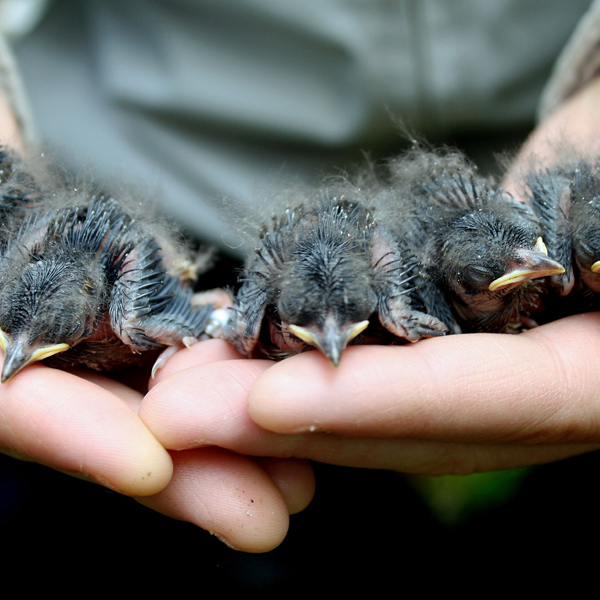
  • Person holding baby birds

    Undergraduate Research

    #
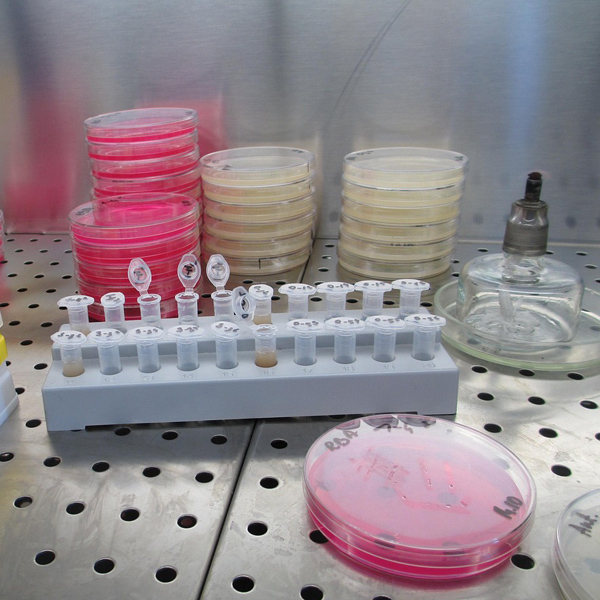
  • DNA Dish

    Graduate Research

    #
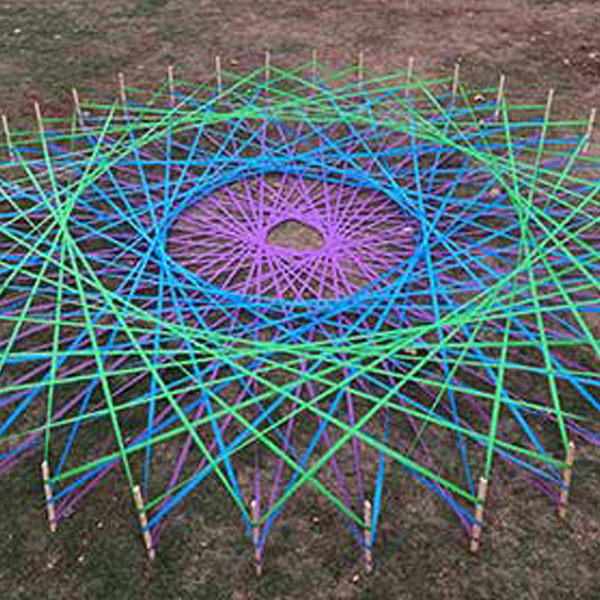
  • Strings and Stcks making a design in the park

    Creative Activity

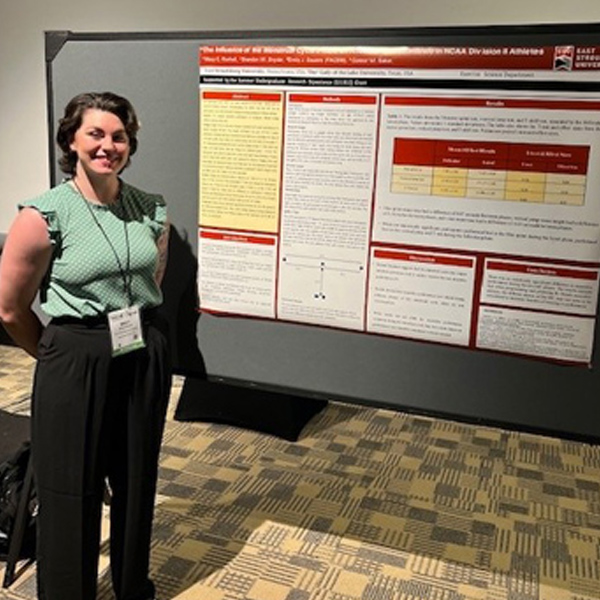
Macy RushallMacy Rushall, Exercise Science, ‘24

My research experience studying The Influence of the Menstrual Cycle on Anaerobic Performance in NCAA Division II Women’s Athletes allowed me to fully immerse myself in the research process.

Simulated research experience in lab classes only demonstrates so much of the process. Getting the opportunity to plan my own methodology and learn everything that needs to be considered when creating a research project isn’t something a lot of undergraduates get to do.

I want research to be a big part of my career, whether that be in exercise science or clinical research. I want to be better equipped to do more experiments in the future so I can conduct better research in the future.
Showcase Your Work! Annual Student Research and Creative Activity Symposium

Take a look at the way you can showcase your research or creative activity, whether you are an undergraduate or a graduate student.

Contact Us

Campus Address

Reibman Administration Building
(570) 422-3539

Provost & Vice President Academic Affairs

Margaret J. Ball
provost@esu.edu